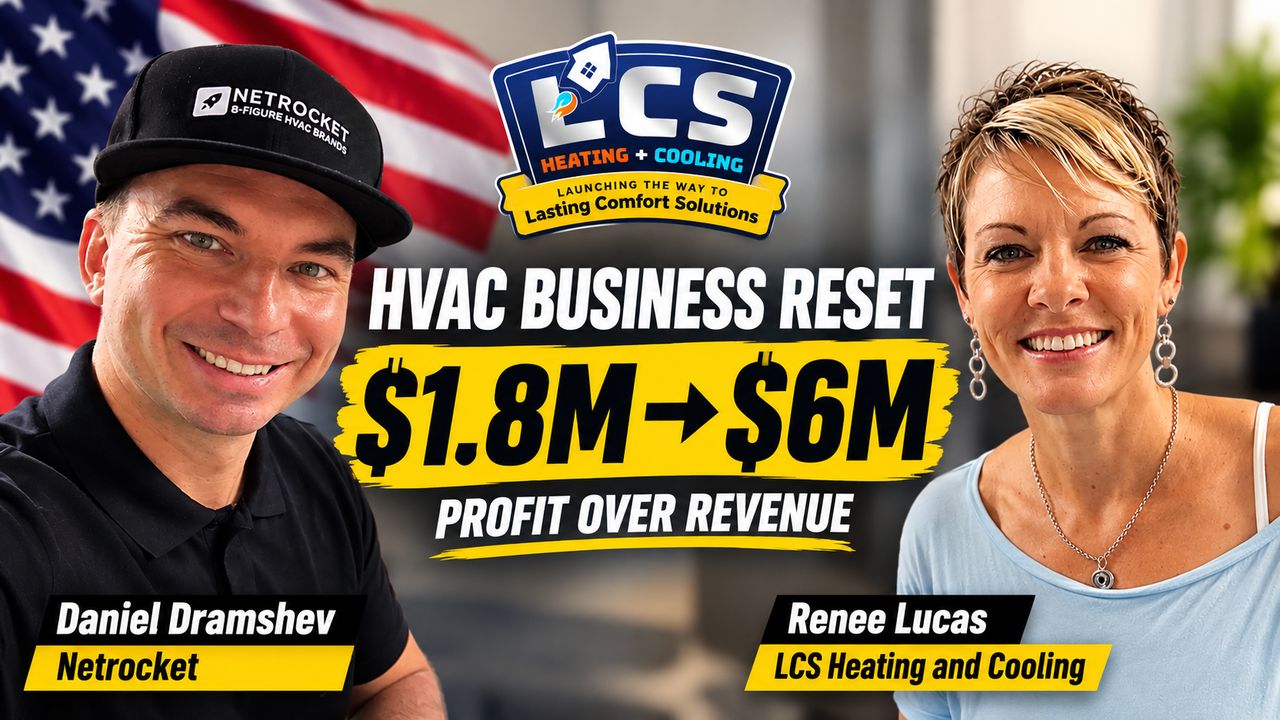
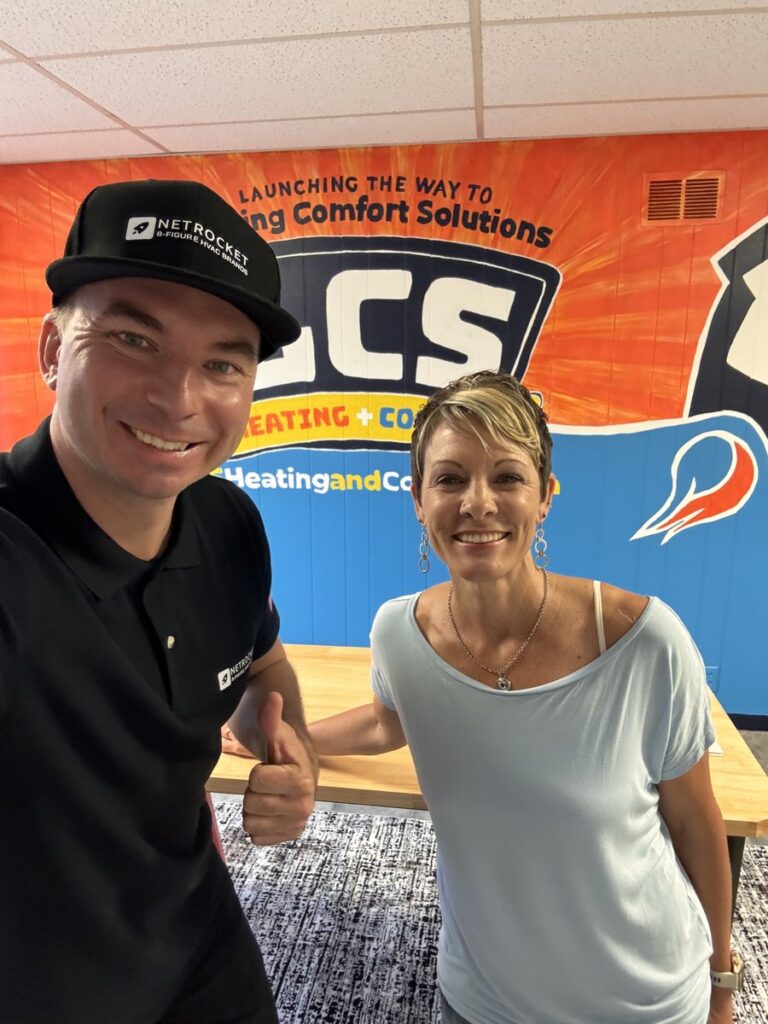
In this episode of the 8-Figure HVAC Brands Podcast, Netrocket founder Daniel Dramshev visits LCS Heating and Cooling in Indianapolis and talks with Renee Lucas, who owns the company with her husband, Travis. For their first 10 years, LCS made between 0% and 2% net profit. In 2016, they cut the company in half and started over. This year, LCS is on track to do a little over $6 million. Renee explains how they rebuilt the business, why they had to reset again after COVID, and why net profit matters more to them than revenue.
About the guest
| Name | Renee Lucas |
| Company | LCS Heating and Cooling |
| Location | Indianapolis, Indiana |
| Founded | 2005 |
| Revenue | On track for a little over $6 million this year |
| Net profit target | 15% minimum, ideally 20% |
A name built on the family name
Renee and Travis started LCS in 2005. Travis came home one day and said he felt they should open their own company, and not long after, he quit his job. Renee was 25 and working in a hospital as a music therapist. Travis was 29 and had 10 years of HVAC experience. Neither of them had any business training.
LCS is their last name, Lucas, without the vowels. Later, they built a tagline around it: Lasting Comfort Solutions.
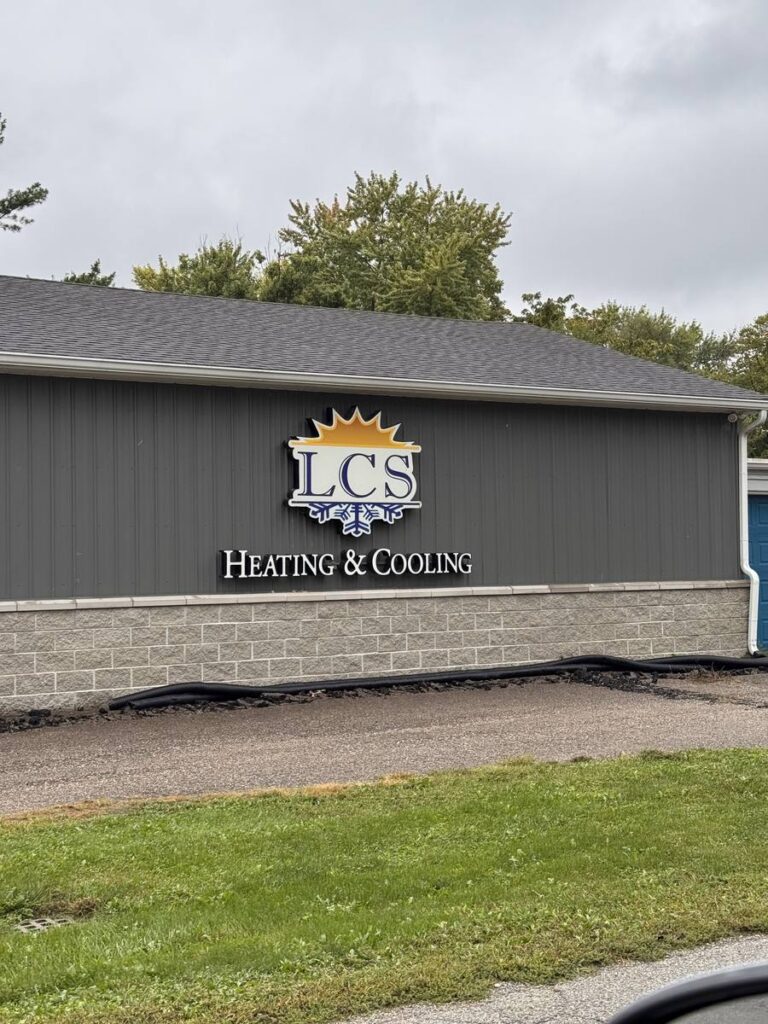
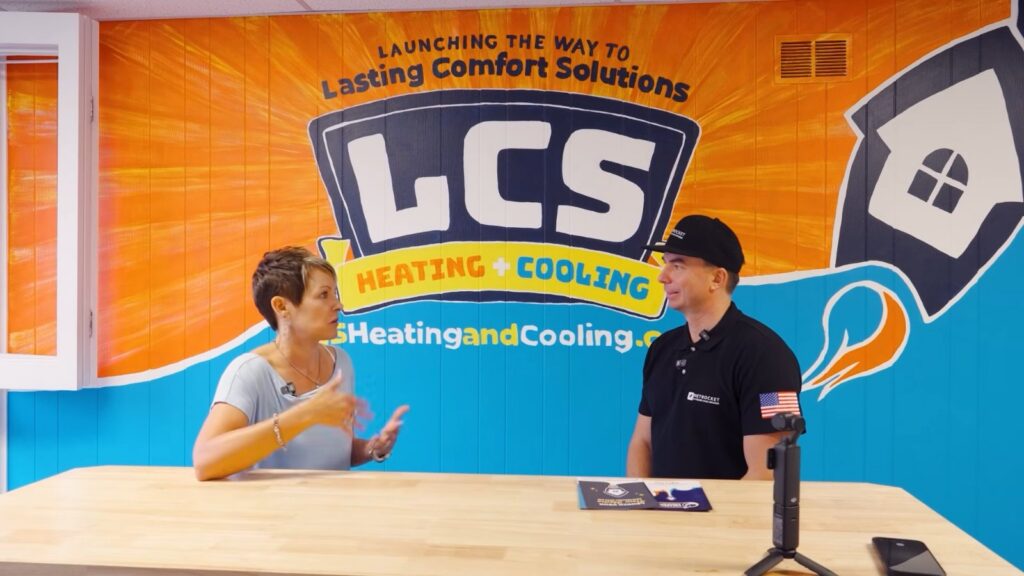
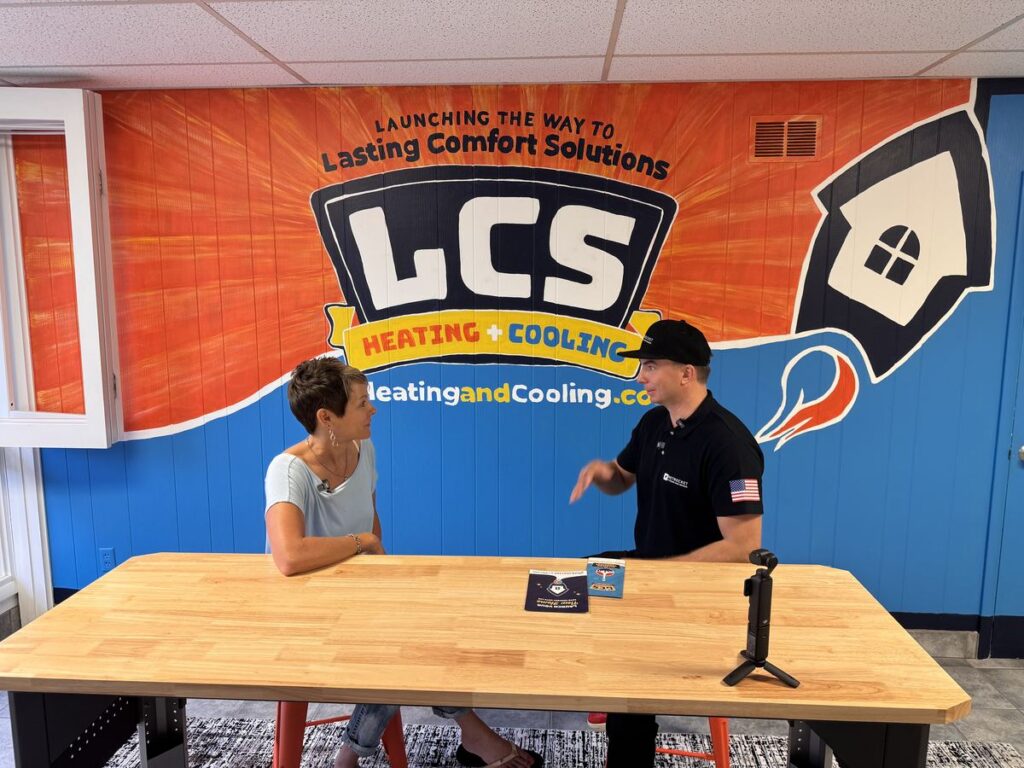
Today, the company works out of a building that used to belong to a veterinarian friend. Many office employees work hybrid schedules, and most technicians drive straight from home to their jobs. The office also has a media room where the team records educational videos for social media, such as DIY tips, signs it’s time to replace a system, and how to handle Indiana’s humidity.
A warehouse and a training room
Travis designed the warehouse. LCS started pulling permits in 2019, COVID delayed the project, and the team moved in three or four years ago. Upstairs is a training room that’s still being built out. It already has a training cart with equipment, including a whole-house humidifier and dehumidifier. One technician suggested a board of parts so entry-level techs and warehouse staff can learn to identify them, and the team put it up.
Before, LCS sent technicians to out-of-state training programs for a week or two at a time. Training in-house means they don’t have to be away from their families.
Yard signs are staged with every install. Renee admits the company once bought old-brand yard signs that mostly went unused. Now, techs and installers put one out on every job.
The LCS Way
At a business boot camp, Renee and 20 to 25 other contractors each listed everything that made their company different. Then anyone who had the same item on their list had to cross it off. Friendly phone service, shoe covers, good service: everyone had them. By the end, nothing was left.
So Renee, Travis, and their management team defined what they call the LCS Way:
- Seven-star service, because everyone already expects five stars
- Streamlined processes, so the team doesn’t waste customers’ time with trips to the supply house or the hardware store
- Communication at every step, with all the options laid out so homeowners can make the best decision for their home
The company’s core values are whatever it takes, honesty and integrity, education and training, count on us, and find fun in every day.
“We win or we learn.“
10 years at 0% to 2% net profit
For the first 10 years, LCS grew slowly through Travis’s work ethic and Renee’s weekly networking group. The company did no other marketing, had no debt, and never missed a payment to a vendor. But at the end of every year, there was no money left. If they needed a new van, they couldn’t buy one.
“We had been operating for 10 years between 0 and 2% net profit.“
Renee and Travis paid themselves modest salaries, and no one got bonuses. The team had attitude problems, and one installer called in every other Monday, knowing he was the best installer they had. Ten years in, Renee and Travis were miserable. They decided they would either change the business or close it.
Learning business, 10 years in
Over lunch, a financial adviser whose parents had owned an HVAC company told Renee to join a peer group of contractors. LCS joined one, where small groups of owners meet monthly and visit each other’s companies twice a year. In 2017, after a free event in downtown Indianapolis, they joined a best practices group. It cost about $10,000, and it was the first big expense she ever put on a credit card without knowing how they would pay for it.
Renee took accounting courses at a local university. She and Travis went to business boot camps and conferences, visited other shops, and learned to read a P&L. Before, Renee printed the P&L every month and filed it in a binder without reading it.
The numbers explained everything. Installation labor was 14% to 16% of revenue, and equipment cost was about 40%. The quality of the work was great, but the company had no processes.
Renee says their biggest regret is not learning this sooner. They thought HVAC experience was what mattered, and it never occurred to them that they needed business training. For another husband-and-wife team that built its business on peer groups and mentors, read our episode with Janal Reid of Serveway.
Cutting the company in half
At the time, LCS did about $1.5 million to $1.8 million a year with 12 people, including Renee and Travis. They met with every employee individually at a table in the warehouse. Some were invited to stay through the rebuild. Some were let go on the spot, and a few got 60 days to find something new. Others stayed under new expectations, and several of them quit or were let go soon after. The company went down to six people.
“We basically cut the company in half and started over again.“
Before hiring anyone, they defined their core values and their purpose: to provide opportunity for success, stability, and happiness to all employees, who in turn create raving fans out of customers. Travis built an install process, adapted from a California company they met at a conference.
Installation labor dropped from 14% to 16% of revenue to 5% to 7%, and the team now makes far more than anyone did before. Bonuses are also based on quality of work: no callbacks, finishing on time, completing the checklist and photos in the software, and putting out the yard sign.
Revenue didn’t drop, even with six people. Travis was still in a van himself, and the company told customers honestly that it was rebuilding. For about two years, Travis worked on the business from 4 a.m. to 6:30 a.m., and Renee worked from 7 p.m. to 10 p.m. three nights a week.
LCS also stopped taking new construction and rehab work at prices that lost money. Today, it works with one custom home builder and with higher-end rehab contractors who want the job done right. When a builder doesn’t have the budget to do the job right, Renee’s answer is simple:
“We’re just not the right fit for you.“
The first real marketing
Around that time, LCS invested in marketing beyond networking for the first time. It bought a package from a local TV station that included eight videos with homeowner tips, and it put up one billboard. Combined with years of referrals from networking, the company grew 40% that year. In 2019, for the first time, there was profit left at the end of the year. LCS took the team to a nice Christmas dinner and gave Christmas bonuses.
A second, smaller reset
During COVID, people spent money on their homes, and LCS went from about $3.8 million to $5.3 million in one year. Renee says it wasn’t planned. The company had 20 to 24 people and four managers, and it got a little complacent. The next year, revenue dropped to about $4.8 million, and then to about $4.6 million.
“What got you here won’t get you there.“
Going into 2025, Renee and Travis did what she calls a mini reset. They eliminated some overhead positions and didn’t refill others. For example, instead of an in-house finance manager, Renee now works with a bookkeeping company. The install manager told them he didn’t want to manage anymore and went back to the field as a lead installer, where he’s much happier. LCS replaced its service manager and install manager roles with one field manager.
Renee says owners often become the bottleneck. At a Women in HVAC event, she told a table of contractors that her calendar was chaos and people always apologized for bothering her. Another contractor asked who made her calendar. That was her aha moment, and she started working on it that week.
Profit over revenue
LCS is on track to do a little over $6 million this year. Renee says she’s comfortable at $6 million to $8 million in HVAC, as long as net profit is healthy.
“Our focus has really been on a net profit over topline revenue.“
If net profit isn’t at least 15%, ideally 20%, she would rather get smaller to bring it back up. Profit pays for things like four company outings a year, including a paid bowling afternoon and a hockey game with employees’ families. It also pays for growth. Renee says a fully outfitted van costs $75,000 to $100,000, so hiring two new techs can take $200,000 out of a $500,000 profit.
Renee and Travis aren’t interested in selling to private equity, because legacy matters to them. They recently started a roofing company with a local business partner, which they plan to grow in 2027, and they may add plumbing to LCS down the road. Renee also hosts a podcast called Lasting Business Solutions and coaches smaller HVAC companies through rebuilding.
Marketing at 7%
LCS budgets 7% of its revenue goal for marketing. Renee’s rule of thumb is 3% to 5% to maintain, 6% to 8% to grow, and 9% or more for aggressive growth. About half of the budget goes to digital, and the other half goes to community event sponsorships, TV, streaming, and billboards. She adds that the more maintenance memberships a company has, the less it should need to spend on marketing. If you’re deciding how to split your own budget, learn more about Netrocket’s digital marketing consulting for HVAC companies.
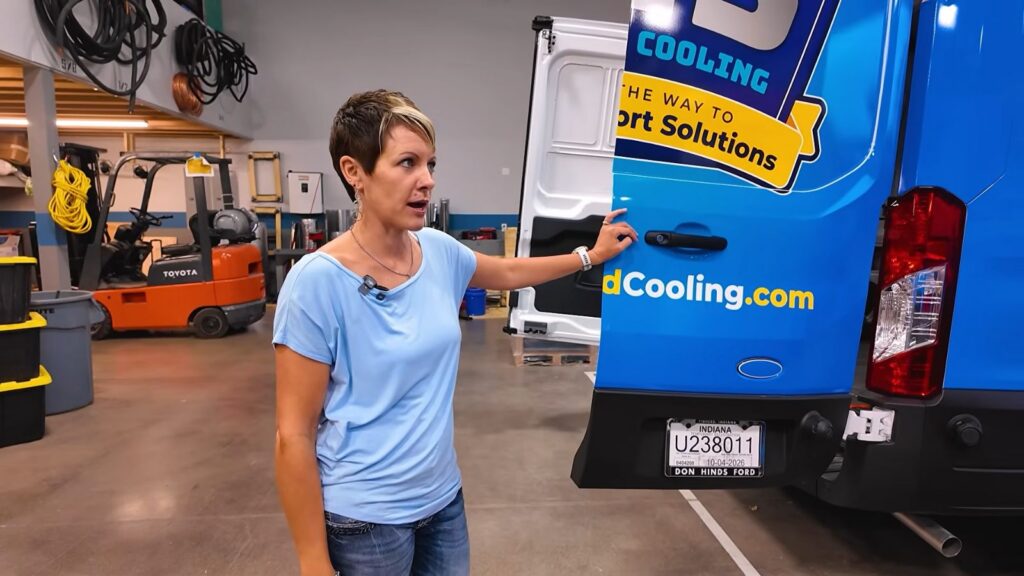
The company rebranded a couple of years ago. Its logo is a house rocket, and at trade shows, kids love taking photos in a rocket face cut-out while the team talks with their parents. If you’re planning your own events, see how Netrocket helps with HVAC trade shows. Each van wrap costs about $3,800 to $4,600, depending on the van, and LCS has always replaced a van before its wrap wore out.
Don’t get stuck between $4 million and $5 million
Renee says the hardest stage for LCS was between $4 million and $5 million. The company was big enough to need things it didn’t yet have the money for. The owner of a company in Ohio once gave her this advice:
“Don’t stay at 5 million for too long. You either need to be below that or you need to be above that.“
A few years ago, Renee felt she had hit the ceiling on what she knew about leading the team, so she invested in more leadership training. Managing a team is different from managing managers. Her advice for owners who want to grow is simple.
“You’re the bottleneck.“
Subscribe on 8-Figure HVAC Brands Podcast
New episodes of the 8-Figure HVAC Brands Podcast come out every week, so subscribe on YouTube to catch the next one.