In this episode of the 8-Figure HVAC Brands Podcast, Netrocket founder Daniel Dramshev talks with Tom Howard, an HVAC entrepreneur who buys, scales, and sells home service companies. Tom bought Lee’s Air when it did $1.6 million in revenue, and with a recent acquisition, it’s on track for about $150 million this year. He explains how they replaced one star salesperson with a training system, how to build a real budget, why marketing as a percentage of revenue is the wrong way to plan, and how to get through the shoulder season.
About the guest
| Name | Tom Howard |
| Biggest company | Lee’s Air, on track for about $150M in revenue this year |
| Background | Started cleaning trucks and sweeping floors at an HVAC shop in high school, has also worked as an executive at ServiceTitan |
| Book | Fetching Millions |
| Training platform | Real American Grit |
From sweeping floors to owning Lee’s Air
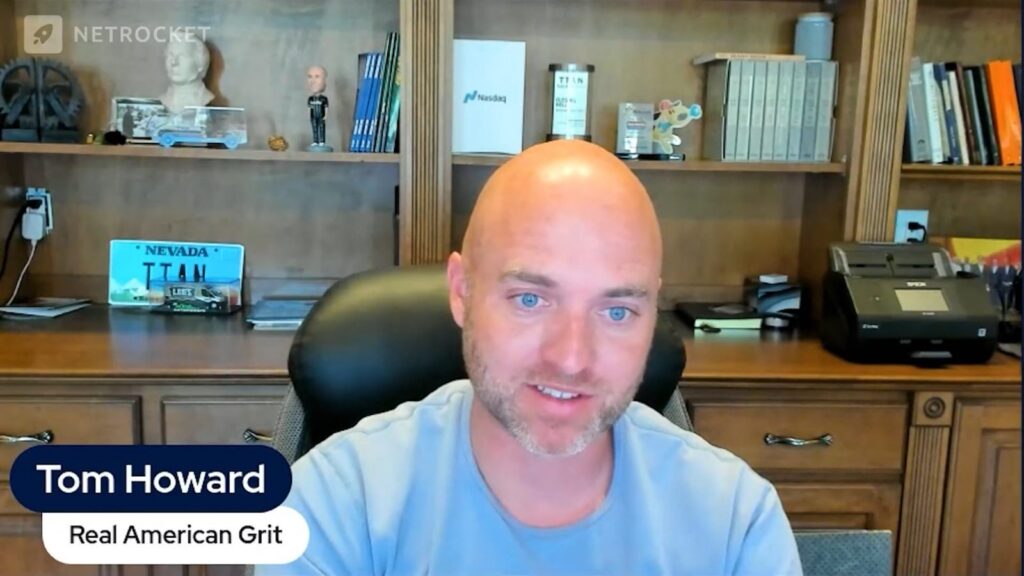
Tom got started cleaning trucks and sweeping floors at a small HVAC shop about 3 miles from his house, riding his bike there after school. He went to HVAC tech school in high school, mostly because his boss offered him a $1-an-hour raise if he took a class. He planned to study finance, found out he didn’t like it, and came back to the trades as a general manager at an air conditioning company.
When the owner had a death in the family and wanted out, he offered to sell the company to Tom. Tom didn’t have the money, so the owner carried the note, and Tom made payments to him until he got a bank loan to buy him out. That company was Lee’s Air.
“It was literally 1.6 million in revenue when I got it and now this year we’ll do 150.“
The early years were hard. When Tom first got the company, he was driving a tractor in the middle of the night for $10 an hour to feed his family while the business was struggling to survive.
Bought for $0, sold for more than $50M
Tom’s book, Fetching Millions, is about a different company he bought in Las Vegas. He bought it for $0, owned it for 16 months, fixed it as fast as he could, and sold it for more than $50 million. He calls it life-changing.
That deal also taught him a lesson. One salesperson sold $14 million of the company’s $25 million in revenue that year. When one person brings in more than half of your revenue, it’s scary for any buyer.
Turning one star salesperson into a training system
To fix Lee’s Air, Tom brought in a top salesperson, Phil, who did $19.6 million in revenue in one year, all in person. With an average ticket of about $26,000, Phil worked seven days a week, ran four or five calls a day, and closed around 64% to 66%. In his first months, he was selling new systems on tune-up calls.
But Tom didn’t want Lee’s Air to depend on one person again, and Phil didn’t want to crawl around in attics for the rest of his life. So Phil built a sales training program based on how he sells. Tom added his own trainings on marketing, operations, HR, accounting, and more, and they put it all into a learning management system with tests and certificates.
Now several people at Lee’s Air do $5 million or more in sales each. By the time of the recording in June, Phil had sold only two jobs that year while he focuses on training the team. They turned the system into a company called Real American Grit. It includes 245 training videos and an AI customer that sales reps can role-play with, and it grades them on whether they follow Phil’s process.
Tom has invested in training for years. He used to run trainings in front of the team every day, and Lee’s Air pays for college for any employee who gets a C or better. He has sent people to schools like Harvard, Stanford, UCLA, and Fresno State.
Why HVAC companies get stuck at $2M to $5M
Every revenue level has its own bottleneck. At $2 to $5 million, Tom sees owners who are afraid to invest in marketing, training, people, and trucks. What helps them get past that fear is a budget.
A real budget forecasts every month:
- Revenue
- Cost of sale, meaning anything you pay only when you sell a job, like materials, labor, and commissions
- Gross profit, which is revenue minus cost of sale
- Overhead, meaning the costs you pay no matter what, like insurance, CSRs, and management
- Net profit, which is gross profit minus overhead
A budget also shows how many customers you need to acquire, how much marketing it takes to get them, and how many calls, CSRs, technicians, and trucks you need. It should include your call booking rate, conversion rate, and average ticket. Tom says a budget is not a wish like “if I did $10 million, I’d make $1 million in profit.”
“You need to have a plan. That plan is your budget.“
His budget template is a two-page Excel document. The key is to share it with the whole team and review it at least every week. At Lee’s Air, they get semi-closed financials every week and fully closed financials once a month. For a $3 to $5 million company, Tom suggests getting monthly financials within two weeks of the close of the month.
Gross margin benchmarks by trade
For residential work, Tom’s targets are:
- Air conditioning: 45% to 50% gross margin, including service
- Plumbing: about 55% gross margin
- Electrical: about 60% gross margin
New construction usually runs at much lower margins, and commercial work is more about volume.
Customer acquisition cost vs. marketing as a percentage of revenue

Tom doesn’t like planning marketing as a percentage of revenue. He shares the story of a friend whose company was bought by a private equity group. The friend spent 14% of revenue on marketing and was growing 100% a year, going from about $50 million to $100 million. The new owners wanted him at 6%, like the rest of their portfolio. Cutting marketing that much would have dropped his growth rate to about 15%.
Instead, Tom plans marketing around customer acquisition cost. The simple version: divide last year’s marketing spend by the number of new customers. If you spent $100,000 and acquired 200 customers, you paid $500 per customer. Then figure out how many new customers you need to hit your budget and how much it will cost to get them.
You can also compare customer acquisition cost by channel, like Google or Yelp. A higher cost can still make sense if that channel brings in system replacements instead of tune-ups. If you need help tracking which channels bring profitable customers, learn more about digital marketing consulting for HVAC companies.
Tom starts planning the next year’s budget in October and November. Lee’s Air’s fiscal year ends on October 31, so they start in August and September. The CEO of Lee’s Air builds the budget with his team, and they often rebuild it two or three times until the numbers work.
Accrual vs. cash accounting
Tom has met owners doing $10 to $30 million in revenue who still use the cash method and look at their bank account to see if they made money. He calls that a great way to destroy your business.
His example is a $20,000 job sold on June 30 with a $1,000 deposit. In July, the crew installs it with $10,000 in equipment and $3,000 in labor and other costs. The customer pays in August, and the supplier gets paid in September. On the cash method, profit jumps from 100% to negative and back every month. On the accrual method, the deposit is unearned revenue until the work is done. July shows $20,000 in revenue, $13,000 in costs, and $7,000 in net profit.
Tom recommends running your business on the accrual method. Companies under $25 million in revenue may be able to pay taxes on the cash method, but he says to talk to your CPA first.
How to survive the shoulder season
“Overhead is the poison of your business and making profit in your company is not natural.“
The natural instinct is to spend more: another office hire, new software, another tool. When the slow season comes, high overhead kills you. Tom says owners need to be leaders and cut costs that don’t make sense, even when that means letting people go.
One example is AI phone agents. Tom’s companies use ServiceTitan’s voice agents, with a call booking rate over 80% and a bounce rate of 40%, down from 70% with their former service. Bounce rate is how often callers ask to talk to a human, so about 60% of calls are handled completely by AI. Even so, some of his companies hired more CSRs to answer phones.
Save your marketing for the offseason
Many contractors pour money into marketing in the summer. Tom says you’re usually booked anyway, and being booked out a month isn’t a badge of honor. Slow down your marketing in the busy season and spend those dollars in the offseason.
“Save your marketing. It’s kind of like storing bullets in your gun.“
Tom also recommends testing newer channels, like social media, digital retargeting, TV retargeting, and YouTube, alongside Google PPC, Local Services Ads, and Yelp. For the longest time, their number one return on investment was tune-up mailers, with offers like a $49 or $89 tune-up. In the offseason, they spend about $10,000 to $20,000 a month on tune-up postcards and train their salespeople to upsell while they’re in the home.
Want to get more from your paid channels? See how Netrocket handles HVAC PPC, LSA management for HVAC contractors, and Yelp ads for HVAC.
Getting Lee’s Air ready to sell
At the time of the recording in June 2026, Lee’s Air was about to go to market in July through an investment banker, with the deal expected to close later in the year. Tom says the sale price will be in the hundreds of millions. He has been getting calls from private equity companies at least once a week for the past two years.
Daniel and Tom plan another episode about buying and selling HVAC companies from both the buyer’s and the seller’s side.
Subscribe on 8-Figure HVAC Brands Podcast
New episodes of the 8-Figure HVAC Brands Podcast come out every week, so subscribe on YouTube to catch the next one.