|
Getting your Trinity Audio player ready...
|
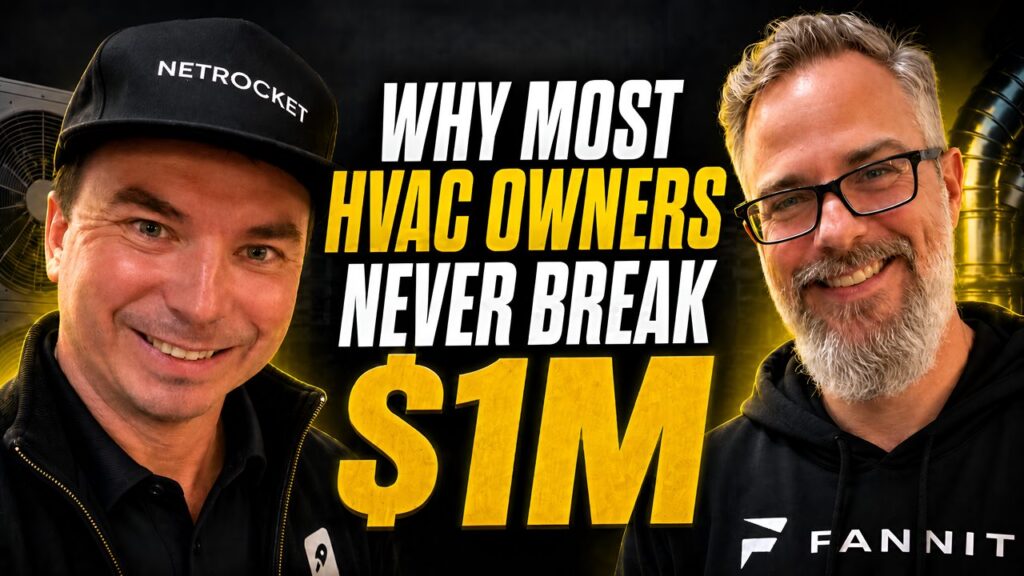
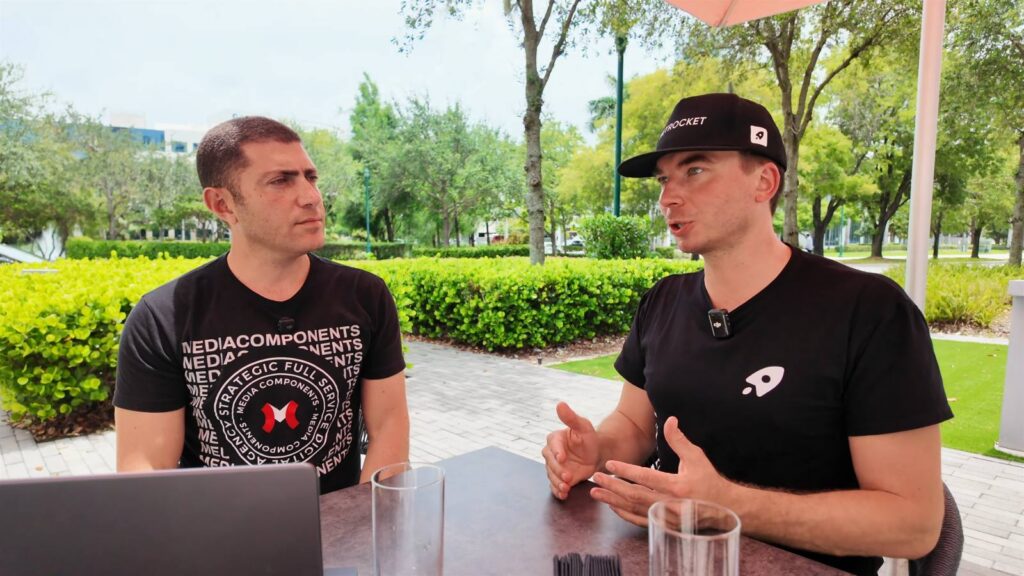
This is Part 2 of the 8-Figure HVAC Brands Podcast conversation in Miami between Netrocket founder Daniel Dramshev and Denis Sinelnikov, CEO of Media Components. After covering Google Maps, Yelp, and Facebook leads in Part 1, they move on to the next stage: video content, SEO, customer retention, AI, reviews, marketing budgets, and how to choose and test channels.
About the guest
| Name | Denis Sinelnikov |
| Role | CEO, Media Components |
| Company | Digital marketing agency with 18+ years of experience |
| Location | Miami, Florida |
Why HVAC companies should use video
Daniel recommends video content even for companies under $5 million in revenue. Start with video testimonials and share them on your website, social media, and Google Business Profile. Then show your team and how you do the work, because many homeowners don’t trust a company until they see it.
Denis adds that more customers now research a company before they hire it, and video testimonials leave little doubt that you’re a real, professional business.
Owner-led branding and behind-the-scenes content
Daniel describes Netrocket’s biggest HVAC client, which runs a YouTube channel showing its operations from the inside: revenue, processes, quality control, and suppliers. The owner is the face of the company, but he’s also in the office every day and knows every process. According to Daniel, that kind of brand also makes SEO easier. For this client, Netrocket is pushing older competitors that invested more in SEO out of the top positions, with smaller budgets, because the brand is already strong.
Why SEO is a risky long-term investment
Denis notes that SEO usually takes 6 to 12 months to show results. Daniel goes further and says no one can guarantee SEO, so it shouldn’t be the first channel for a new company.
“SEO is a very risky channel. Those who aren’t ready to take that risk should just do lead generation.“
But if you want to take your company to the next level, or sell it for eight figures someday, you’ll need proper HVAC SEO.
HVAC SEO structure: service pages, location pages, and schema
For HVAC, SEO is mostly local. Daniel’s approach starts with site structure:
- Cover every keyword and search in your main service area
- If you serve several areas, create separate location pages, area pages, and sometimes even ZIP code pages
- Connect them to service pages for each service
- Add schema markup so Google understands which area each page belongs to
Content should be unique and written by an expert from your company, in line with Google’s E-E-A-T factors: experience, expertise, authoritativeness, and trust. The author’s expertise should be visible through their social media, video, and other content. Technical optimization matters too, and Daniel says many companies making millions a year still have websites with no basic optimization.
“Check out your website. I’m sure you have some issues that keep it from ranking on Google right now.“
Customer retention, upsells, and maintenance plans
During the low season, when there’s less demand on the market, Daniel suggests creating demand from your existing customer base: check when their last inspection was, reach out, and offer maintenance agreements. Not every owner likes maintenance because of the lower tickets, but it keeps the team busy and brings repeat jobs.
“It keeps some revenue on a stable basis, so you can make plans.“
Email marketing helps too. Beyond promotions, you can educate customers, organize local events, or sponsor community events to build your brand in the area. Denis adds that some of his clients focus on irresistible offers right before peak season, when homeowners start shopping around.
How HVAC companies can use AI
Daniel lists the easiest places to start:
- After-hours calls and texts: AI can handle the first conversation when the office is closed
- CRM automations: even in simple CRMs like GoHighLevel, you can send customers a photo and a short message from the technician before the visit
- Translation when there’s a language barrier with a customer
- Review replies on Google Business Profile that are quick and personal
His advice is to automate step by step and test each process instead of automating everything at once. Denis agrees, and suggests training the AI on your brand’s tone, slogan, or mascot so messages don’t sound like a template.
Review strategy for new HVAC locations
The number of reviews you need depends on your market and competition. When you open a new location and competitors already have hundreds of reviews, Daniel suggests asking for reviews after small jobs and consultations, like a filter replacement. It’s not about profit, but it builds your Google Maps presence. Denis’s rule: if you gave the customer value, even on a phone call, ask for a review.
For companies with several locations, Daniel recommends focusing reviews on the main location if competitors have far more reviews than you do. And never ask customers in one city to review a location in another city, because Google may delete those reviews.
How much HVAC companies should spend on marketing
Daniel’s benchmark is 10% to 15% of annual revenue. A company that wants to grow aggressively can spend 18% to 20%, but with less profit. For a $1 million company at 10%, that’s about $100,000 a year, spread across months and channels. This number also shows whether there’s enough budget for a long-term channel like SEO.
To find the right cost per lead, he works backward from the sales funnel. For example, out of 10 leads, 8 answer, 5 are qualified for an estimate, and with a 20% to 30% close rate, you get about one contract. Around 10% of that contract’s value should cover the cost of all 10 leads. If it’s closer to 20%, look at the funnel and sales process, not just marketing.
Best marketing channels for HVAC companies

Asked to pick one platform, Daniel picks at least three: Facebook, Google Maps, and Google Ads where you can sell high-ticket jobs profitably. With a very limited budget, spreading $1,000 across several channels doesn’t make sense, so test them one by one: Yelp, Facebook ads, and Google search ads if your website converts well.
How long to test a marketing channel
Daniel gives each paid channel at least two months, and three is better, because Facebook and Yelp ads need time to learn.
“If you run ads for one month and then say it doesn’t work, you can just leave money on the table.“
Google Business Profile is the exception. It’s not a channel to test and drop. You should work on it every week, no matter what else you’re testing.
Marketing is not “set it and forget it”
Denis closes with a reminder that even with a marketing partner, owners need to stay involved and watch the data. Daniel adds one offline tip: brand your trucks and put a tracking phone number or QR code on them so you can see the leads they bring. Denis suggests starting with magnets or a partial wrap if the budget is tight.
Both guests also mention their education projects. Daniel runs the HVAC Contractors Marketing School with workshops and webinars, and Denis recently launched Million Dollar HVACR, a community and agency that connects HVAC manufacturers and brands with contractors.
Subscribe on 8-Figure HVAC Brands Podcast
New episodes of the 8-Figure HVAC Brands Podcast come out every week, so subscribe on YouTube to catch the next one.